
How to Give a Dog a Herbal Bath for Skin Problems
Is your dog constantly scratching, licking, or showing signs of irritated skin? You’re not alone. Skin problems in dogs are among the most common health concerns pet owners face—and while veterinary care is essential, a natural, soothing solution may already be growing in your garden or kitchen cupboard. Learning how to give a dog a herbal bath for skin problems can offer gentle, effective relief without harsh chemicals. This comprehensive guide walks you through every step—from choosing the right herbs to preparing and applying the bath—so you can help your furry friend feel comfortable and itch-free again.
Why Herbal Baths Work for Canine Skin Issues
Herbal baths have been used for centuries in both human and animal wellness traditions. When it comes to dogs, certain herbs possess natural anti-inflammatory, antimicrobial, and soothing properties that can calm irritated skin, reduce redness, and support healing. Unlike medicated shampoos that may contain sulfates or synthetic fragrances, herbal infusions are typically gentle and non-toxic when used correctly.
Common canine skin problems—such as hot spots, allergies, fungal infections, dryness, or mild dermatitis—often respond well to herbal remedies. Herbs like chamomile, calendula, oat straw, and lavender contain compounds that help reduce inflammation, fight bacteria, and promote skin regeneration. A properly prepared herbal bath doesn’t just cleanse—it treats the root cause of discomfort at a cellular level.
Moreover, herbal baths are cost-effective and easy to prepare at home. With minimal equipment and a few high-quality ingredients, you can create a spa-like experience that supports your dog’s overall skin health. Always consult your veterinarian before starting any new treatment, especially if your dog has open wounds, severe infections, or chronic conditions.
Key Benefits of Herbal Baths for Dogs
- Soothes itching and inflammation – Natural anti-inflammatory herbs reduce redness and discomfort.
- Supports skin barrier function – Moisturizing herbs help restore natural oils and hydration.
- Antimicrobial action – Some herbs naturally combat bacteria and fungi without antibiotics.
- Chemical-free alternative – Avoids harsh detergents found in commercial shampoos.
- Calming effect – Aromatic herbs like lavender can reduce stress during bath time.
Choosing the Right Herbs for Your Dog’s Skin Condition
Not all herbs are created equal—and not all are safe for dogs. Selecting the appropriate herbs depends on your dog’s specific skin issue. For example, a dog with dry, flaky skin will benefit from different herbs than one suffering from a bacterial infection. Understanding the properties of each herb ensures you’re targeting the problem effectively.
Below are some of the most effective and dog-safe herbs for herbal baths:
Chamomile
Known for its calming properties, chamomile is excellent for soothing irritated, itchy skin. It contains bisabolol and chamazulene, compounds with anti-inflammatory and antiseptic effects. Chamomile is especially helpful for dogs with allergies or sensitive skin.
Calendula
This bright orange flower is a powerhouse for skin healing. Calendula promotes cell regeneration, reduces inflammation, and has mild antifungal properties. It’s ideal for dogs with cuts, rashes, or hot spots.
Oat Straw (Avena sativa)
Oat straw is rich in saponins, which gently cleanse the skin, and avenanthramides, which reduce itching and inflammation. It’s one of the safest and most widely recommended herbs for canine skin care.
Lavender
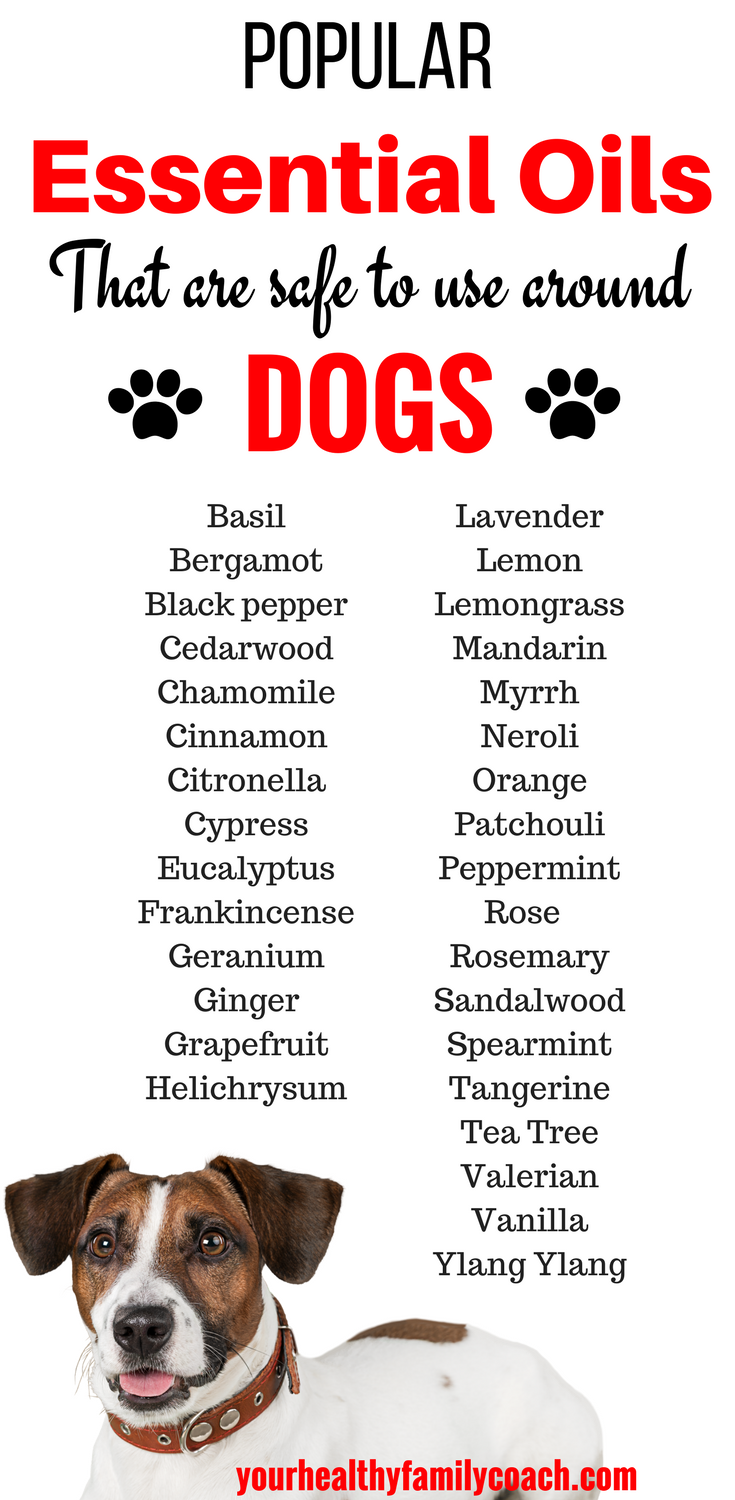
Lavender has antimicrobial and calming effects. It can help reduce anxiety during bath time while also soothing minor skin irritations. Use only in small amounts and ensure it’s properly diluted, as concentrated essential oils can be toxic to dogs.
Green Tea
Rich in antioxidants, green tea helps reduce oxidative stress on the skin and has anti-inflammatory benefits. It’s particularly useful for dogs with environmental allergies or sun-damaged skin.
Witch Hazel
A natural astringent, witch hazel helps tighten skin, reduce swelling, and cleanse without drying. It’s great for oily or acne-prone skin in dogs.
Always use organic, pesticide-free herbs. Avoid herbs like tea tree oil (melaleuca), pennyroyal, or comfrey in high concentrations, as they can be toxic to dogs even in small amounts.
How to Prepare a Herbal Bath for Your Dog
Preparing a herbal bath is simple, but attention to detail ensures maximum effectiveness and safety. The goal is to create a concentrated herbal infusion that can be added to your dog’s bathwater. Here’s a step-by-step guide:
Step 1: Gather Your Supplies
- 2–4 cups of dried or fresh herbs (depending on dog size)
- 4–6 cups of filtered water
- A large pot or kettle
- A fine-mesh strainer or cheesecloth
- A large bowl or bucket
- A bathtub or large basin
- Towels
- Optional: mild, dog-safe shampoo
Step 2: Make the Herbal Infusion
Bring the water to a boil, then remove from heat. Add your chosen herbs and let steep for 20–30 minutes, covered. This allows the active compounds to extract fully into the water. For stronger potency, you can simmer gently for 10–15 minutes, but avoid boiling herbs for too long, as it may destroy beneficial properties.
Once steeped, strain the liquid through a fine mesh or cheesecloth into a large bowl. Discard the herb solids. Let the infusion cool to lukewarm—never use hot water on your dog’s skin.
Step 3: Prepare the Bath Area
Fill your bathtub or basin with warm (not hot) water—enough to cover your dog’s legs and belly. The ideal temperature is around 98–100°F (37–38°C), similar to your dog’s body temperature. Test the water with your wrist or elbow to ensure it’s comfortable.
Add the cooled herbal infusion to the bathwater. Stir gently to distribute the herbs evenly. If your dog has severe skin issues, you can use the infusion as a final rinse after a mild shampoo wash.
Step 4: Bathe Your Dog
Gently place your dog in the tub, speaking in a calm, reassuring tone. Use a cup or handheld showerhead to wet their fur thoroughly, avoiding the face and ears. Let your dog soak for 10–15 minutes to allow the herbs to penetrate the skin.
For targeted treatment, you can use a soft cloth soaked in the herbal infusion to gently wipe affected areas like paws, belly, or tail base. Avoid scrubbing, especially on inflamed or broken skin.
After soaking, rinse your dog with clean, lukewarm water if needed. Some herbal residues are beneficial and can be left on the coat, but if your dog tends to lick excessively, a light rinse is recommended.
Step 5: Dry and Monitor
Wrap your dog in a clean, absorbent towel and gently pat dry. Avoid vigorous rubbing, which can irritate sensitive skin. Allow your dog to air-dry in a warm, draft-free area. Monitor their behavior and skin condition over the next 24–48 hours.
Repeat the herbal bath 2–3 times per week, depending on severity. Most dogs show improvement within a week, but chronic conditions may require ongoing care.
Safety Tips and Precautions
While herbal baths are generally safe, it’s important to follow best practices to avoid complications. Here are key safety guidelines:
- Never use essential oils undiluted – Even natural oils can be toxic to dogs. If using lavender or tea tree, dilute heavily and use sparingly.
- Avoid the eyes, nose, and mouth – Herbal infusions should not come into contact with sensitive areas.
- Patch test first – Apply a small amount of the infusion to a discreet area of your dog’s skin and wait 24 hours to check for reactions.
- Do not use on open wounds without vet approval – Some herbs may sting or delay healing if applied to deep cuts.
- Watch for adverse reactions – Signs include increased redness, swelling, vomiting, or lethargy. Discontinue use and consult your vet immediately.
- Store unused infusion properly – Refrigerate for up to 48 hours. Do not reuse old herbal water.
Remember, herbal baths complement—but do not replace—veterinary treatment. If your dog’s skin condition worsens or doesn’t improve within 7–10 days, seek professional advice.
Custom Herbal Bath Recipes for Common Skin Issues
Tailoring your herbal bath to your dog’s specific needs enhances effectiveness. Below are three targeted recipes based on common canine skin problems.
Recipe 1: Soothing Itch Relief Bath (for allergies and hot spots)
- 1 cup dried chamomile flowers
- 1 cup dried oat straw
- ½ cup dried calendula petals
- 4 cups water
Steep for 30 minutes, strain, and add to bathwater. Ideal for dogs with environmental allergies or insect bites.
Recipe 2: Antifungal & Antibacterial Bath (for yeast or bacterial infections)
- 1 cup green tea (brewed strong)
- ½ cup dried lavender flowers
- ½ cup witch hazel (alcohol-free)
- 4 cups water
Combine and steep for 20 minutes. Use as a rinse after shampooing. Best for dogs with recurring ear infections or skin fold dermatitis.
Recipe 3: Moisturizing Dry Skin Bath (for flaky, itchy skin)
- 1 cup dried oat straw
- ½ cup dried calendula
- 1 cup coconut milk (unsweetened, full-fat)
- 4 cups water
Steep herbs in water, then stir in coconut milk before adding to bath. The fats in coconut milk help restore the skin’s natural moisture barrier.
Key Takeaways
- Herbal baths are a natural, effective way to treat common dog skin problems like itching, dryness, and mild infections.
- Choose dog-safe herbs such as chamomile, calendula, oat straw, and green tea based on your dog’s specific condition.
- Always prepare a proper herbal infusion by steeping herbs in hot water, then cooling before use.
- Follow safety guidelines: avoid essential oils, protect sensitive areas, and monitor for reactions.
- Use herbal baths 2–3 times per week for best results, and consult your vet if symptoms persist.
- Customize recipes to target allergies, infections, or dryness for personalized care.
Frequently Asked Questions
Can I use fresh herbs instead of dried ones?
Yes, fresh herbs can be used, but you’ll need about twice the amount compared to dried. For example, use 2 cups of fresh chamomile instead of 1 cup dried. Ensure they’re thoroughly washed and free of pesticides.
How often should I give my dog a herbal bath?
For mild issues, 1–2 times per week is sufficient. For more severe conditions like hot spots or fungal infections, 2–3 times per week is recommended. Over-bathing can strip natural oils, so avoid daily use unless directed by a vet.
Are herbal baths safe for puppies or senior dogs?
Yes, but with caution. Puppies have more sensitive skin, so use milder infusions and shorter soak times (5–10 minutes). Senior dogs may have underlying health issues, so always consult your veterinarian before starting any new treatment.
Conclusion
Learning how to give a dog a herbal bath for skin problems empowers you to take a proactive, natural approach to your pet’s wellness. With the right herbs, proper preparation, and consistent care, you can significantly reduce discomfort and support long-term skin health. These baths not only treat symptoms but also strengthen the bond between you and your dog through gentle, mindful care.
Remember, every dog is unique. What works for one may not work for another. Start with small batches, observe your dog’s response, and adjust as needed. When combined with a balanced diet, regular grooming, and veterinary guidance, herbal baths can be a powerful tool in your pet care toolkit. Give your dog the gift of relief—naturally.