
Essential Dog Care Tips Every Pet Owner Should Know
Dogs are more than just pets—they are loyal companions, family members, and trusted friends. Whether you have recently adopted a puppy or have shared your home with dogs for years, providing proper care is essential for their health, happiness, and longevity.
Responsible dog ownership involves much more than providing food and shelter. Dogs require regular exercise, proper nutrition, veterinary care, mental stimulation, and plenty of love and attention. When these needs are met, dogs are more likely to live long, healthy, and fulfilling lives.
Understanding the fundamentals of dog care can help prevent many common health and behavioral problems while strengthening the bond between you and your pet.
Provide a Balanced and Nutritious Diet
Good health starts with proper nutrition.
Dogs need a balanced diet that provides essential nutrients, including proteins, healthy fats, vitamins, minerals, and carbohydrates. High-quality dog food formulated for your dog’s age, size, and activity level is typically the best option.
Puppies have different nutritional requirements than adult dogs, while senior dogs often benefit from specialized diets designed for aging pets.
It is also important to monitor portion sizes. Overfeeding can lead to obesity, which increases the risk of numerous health problems, including diabetes, joint issues, and heart disease.
Fresh, clean water should always be available to keep your dog properly hydrated throughout the day.
Ensure Regular Exercise
Exercise is a critical component of dog care.
Regular physical activity helps maintain a healthy weight, strengthens muscles, improves cardiovascular health, and reduces boredom.
The amount of exercise required varies by breed, age, and overall health. Active breeds may need several hours of exercise daily, while smaller or older dogs may require shorter walks and lighter activities.
Walking, running, playing fetch, and interactive games are excellent ways to keep your dog physically active.
A well-exercised dog is often calmer, happier, and less likely to develop destructive behaviors.
Schedule Routine Veterinary Visits
Preventive healthcare plays a major role in keeping dogs healthy.
Regular veterinary checkups allow professionals to detect health issues early before they become more serious. Routine examinations typically include vaccinations, parasite prevention, dental evaluations, and overall health assessments.
Even if your dog appears healthy, annual wellness visits remain important.
Veterinarians can provide guidance on nutrition, weight management, age-related concerns, and preventive care tailored to your dog’s specific needs.
Consistent veterinary care is one of the most effective ways to support your dog’s long-term health.
Prioritize Dental Health
Dental care is often overlooked by dog owners, yet it is essential for overall well-being.
Poor oral hygiene can lead to plaque buildup, gum disease, tooth loss, and infections that may affect other parts of the body.
Regular tooth brushing with dog-safe toothpaste helps reduce dental problems. Dental chews and veterinarian-approved oral care products may also contribute to healthier teeth and gums.
Maintaining good dental hygiene can improve your dog’s comfort and quality of life.
Provide Mental Stimulation
Dogs need mental exercise just as much as physical exercise.
Without adequate stimulation, dogs can become bored, anxious, or destructive.
Interactive toys, puzzle feeders, training exercises, and games that encourage problem-solving help keep a dog’s mind active.
Teaching new commands and practicing obedience skills can also strengthen communication between owner and pet while providing valuable mental engagement.
A mentally stimulated dog is often more confident and better behaved.
Maintain Proper Grooming
Grooming requirements vary significantly among breeds, but every dog benefits from regular grooming.
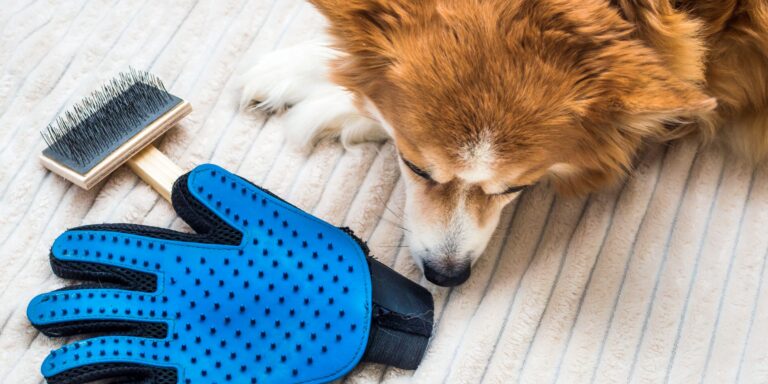
Brushing helps remove loose hair, prevent matting, and distribute natural oils throughout the coat. It also provides an opportunity to check for skin issues, parasites, or unusual lumps.
Bathing should be done as needed using products formulated specifically for dogs.
Routine nail trimming is equally important. Overgrown nails can cause discomfort and affect a dog’s ability to walk properly.
Regular grooming contributes to both health and comfort.
Create a Safe Living Environment
A safe environment helps protect dogs from injuries and accidents.
Homes and yards should be free from hazardous items that could be harmful if chewed or swallowed. Toxic plants, household chemicals, medications, and small objects should be kept out of reach.
Secure fencing helps prevent dogs from wandering into dangerous situations.
Indoor safety is just as important. Providing a comfortable sleeping area and maintaining a clean environment supports overall well-being.
A secure home allows dogs to explore and relax with confidence.
Focus on Training and Socialization
Training is a vital part of responsible dog ownership.
Basic commands such as sit, stay, come, and leave it improve safety and strengthen communication. Consistent training helps dogs understand expectations and reduces unwanted behaviors.
Socialization is equally important, particularly during puppyhood.
Exposing dogs to different people, environments, sounds, and experiences helps them become more confident and adaptable.
Well-socialized dogs are generally more comfortable in various situations and less likely to develop fear-based behaviors.
Watch for Signs of Illness
Dogs cannot tell us when something feels wrong, which makes observation extremely important.
Changes in appetite, energy levels, behavior, weight, or bathroom habits may indicate an underlying health issue.
Symptoms such as excessive vomiting, diarrhea, coughing, difficulty breathing, or unusual lethargy should never be ignored.
Early intervention often improves treatment outcomes and prevents minor problems from becoming serious conditions.
Knowing your dog’s normal behavior makes it easier to recognize when something requires attention.
Give Your Dog Plenty of Love and Attention
While nutrition and healthcare are essential, emotional well-being is equally important.
Dogs are social animals that thrive on companionship and interaction. Spending quality time with your pet helps build trust and strengthens your bond.
Simple activities such as playing, walking, training, or relaxing together can greatly improve a dog’s happiness.
Affection, consistency, and positive reinforcement help create a secure and loving environment where dogs can thrive.
A strong relationship with their owner contributes significantly to a dog’s overall quality of life.
Common Mistakes Dog Owners Should Avoid
Many health and behavior problems stem from avoidable mistakes.
Skipping veterinary visits, providing insufficient exercise, neglecting dental care, or allowing obesity to develop can negatively impact a dog’s health.
Inconsistent training and lack of socialization may also contribute to behavioral challenges.
Being proactive rather than reactive is one of the best approaches to dog care.
Small efforts made consistently can prevent larger problems in the future.
Conclusion
Caring for a dog is a long-term commitment that requires time, patience, and responsibility. From proper nutrition and regular exercise to veterinary care and emotional support, every aspect of dog care contributes to a healthier and happier life.
By understanding your dog’s needs and providing consistent care, you can help your companion enjoy many years of health, comfort, and companionship.
The rewards of responsible dog ownership are immeasurable. A well-cared-for dog not only lives a better life but also brings endless joy, loyalty, and love to the people who care for them.