
Natural Remedies for Cat Hairballs That Actually Work
If your cat is hacking up hairballs more than once a week, you’re not alone—and you’re probably looking for safe, effective solutions that don’t involve harsh chemicals or expensive vet visits. The good news? There are several natural remedies for cat hairballs that work, backed by both veterinary insight and real-world results from pet owners. These solutions focus on reducing hair ingestion, improving digestion, and supporting your cat’s grooming habits—without disrupting their daily routine.
Hairballs, or trichobezoars, form when cats swallow loose fur during self-grooming. While occasional hairballs are normal, frequent episodes can signal underlying digestive issues or excessive shedding. Instead of reaching for synthetic laxatives or petroleum-based products, many cat parents are turning to gentle, holistic approaches that support long-term digestive health. In this guide, we’ll explore proven natural strategies that help prevent and manage hairballs effectively—so your feline friend stays comfortable and you enjoy a cleaner home.
Why Do Cats Get Hairballs? Understanding the Root Cause
Cats are meticulous groomers. Their tongues are covered in tiny, backward-facing barbs called papillae, which help remove dirt, loose fur, and dander. While this keeps their coat clean, it also means they inevitably swallow a significant amount of hair each day. Most of this hair passes through the digestive tract unnoticed. But when too much accumulates, it forms a hairball that your cat eventually vomits up.
Several factors can increase the likelihood of hairball formation. Long-haired breeds like Persians or Maine Coons are more prone due to their dense coats. Cats who groom excessively—often due to stress, skin irritation, or boredom—also ingest more fur. Additionally, poor digestion or slow gut motility can prevent hair from moving through the intestines efficiently, increasing the chance of clumping.
Understanding these triggers is the first step toward prevention. Rather than treating hairballs as isolated incidents, it’s important to view them as symptoms of your cat’s overall grooming and digestive health. By addressing the root causes, you can reduce the frequency and discomfort associated with hairballs—naturally and sustainably.
Top Natural Remedies for Cat Hairballs That Work
1. Regular Brushing and Grooming
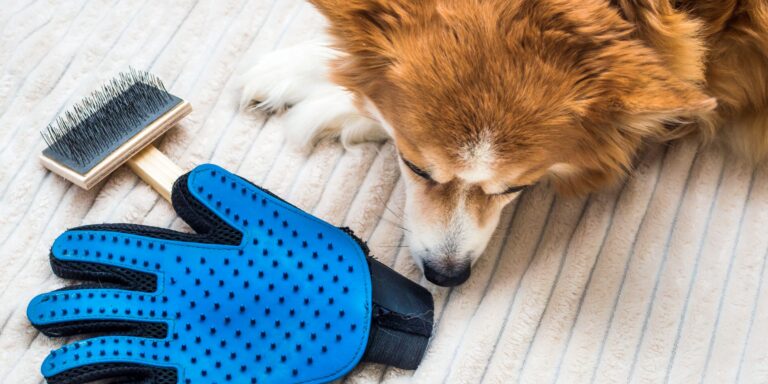
The most effective way to reduce hairball formation is to minimize the amount of loose fur your cat ingests. Daily brushing removes dead hair before it can be swallowed. For short-haired cats, a rubber grooming mitt or slicker brush works well. Long-haired breeds benefit from wide-toothed combs and de-shedding tools designed to reach the undercoat.
Brushing not only cuts down on hair ingestion but also strengthens the bond between you and your cat. Many felines enjoy the attention and sensation of being groomed, which can reduce stress-related over-grooming. Aim for at least 5–10 minutes of brushing per day, especially during seasonal shedding periods in spring and fall.
For cats who resist grooming, start slowly and use positive reinforcement. Offer treats or playtime immediately after brushing to create a positive association. Over time, most cats adapt to regular grooming sessions and show noticeable reductions in hairball frequency.
2. High-Fiber Cat Foods and Supplements
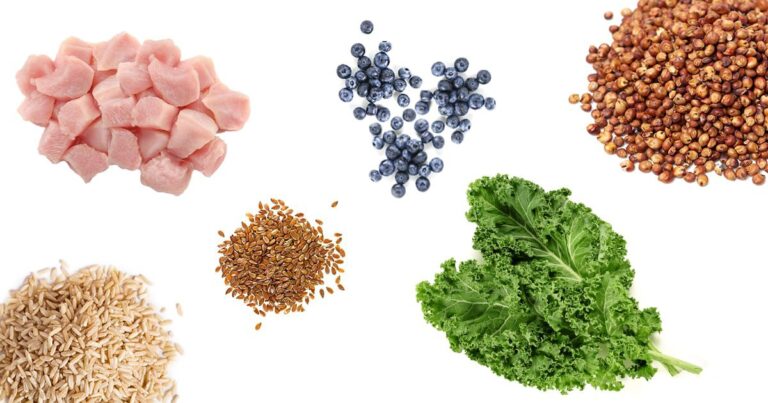
Diet plays a crucial role in hairball management. Fiber helps move hair through the digestive tract more efficiently, reducing the chance of clumping. Look for high-quality cat foods that list fiber sources like pumpkin, psyllium husk, or beet pulp among the top ingredients. These natural fibers add bulk to the stool and promote regular bowel movements.
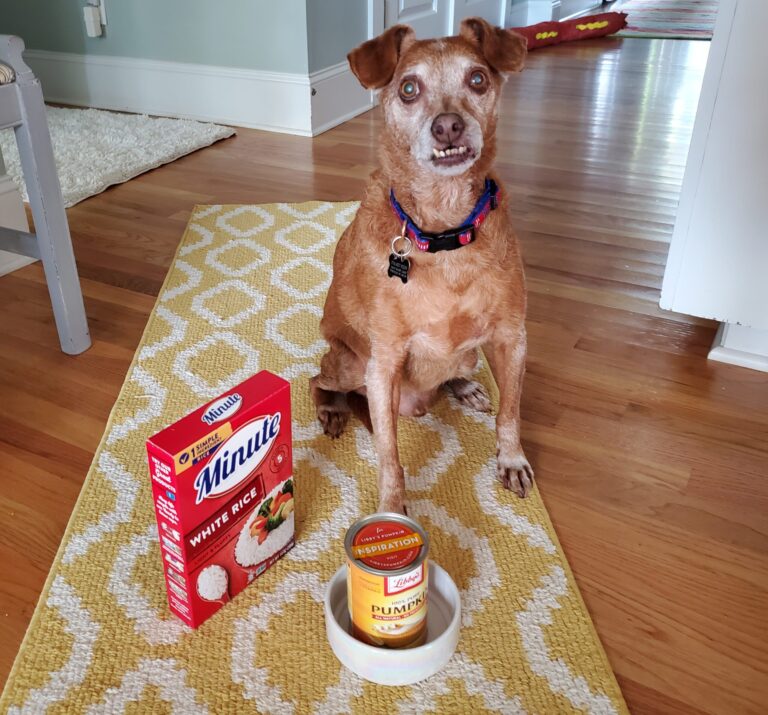
You can also supplement your cat’s diet with small amounts of pureed pumpkin (not pumpkin pie filling). A teaspoon mixed into wet food once or twice a week can gently support digestion. Pumpkin is rich in soluble fiber and safe for felines in moderation. Avoid overuse, as too much fiber can cause diarrhea or nutrient imbalances.
Another option is psyllium husk powder, a natural bulking agent used in many human fiber supplements. When introduced gradually—starting with a quarter teaspoon per day—it can help regulate digestion. Always ensure your cat has access to plenty of fresh water when increasing fiber intake, as dehydration can worsen digestive issues.
3. Omega-3 Fatty Acids for Coat Health
A shiny, healthy coat sheds less and is easier to groom. Omega-3 fatty acids, particularly EPA and DHA found in fish oil, support skin and fur health from the inside out. These essential fats reduce inflammation, minimize excessive shedding, and improve the overall quality of your cat’s coat.
You can add a small amount of high-quality fish oil to your cat’s food daily. Look for products specifically formulated for pets, as they are purified to remove heavy metals and toxins. A typical dose is about 20–30 mg of EPA per pound of body weight. For a 10-pound cat, that’s roughly 200–300 mg daily.
Alternatively, consider feeding small portions of cooked, boneless salmon or sardines as an occasional treat. These fish are naturally rich in omega-3s and can be a tasty way to boost your cat’s nutrient intake. Just avoid seasoning, bones, or excessive oil, which can upset their stomach.
4. Natural Laxatives and Digestive Aids
When hair does accumulate in the digestive tract, gentle laxatives can help move it along. One of the most trusted natural options is malt extract, a sweet, syrupy substance derived from barley. Cat-safe malt paste is widely available and can be applied to your cat’s paw or mixed into food.
Malt paste works by lubricating the intestines and stimulating peristalsis—the wave-like muscle contractions that move contents through the gut. Most cats enjoy the taste and will lick it off their paws willingly. Use it once or twice a week as needed, but avoid overuse, as it contains sugar and calories.
Another natural laxative is coconut oil. Rich in medium-chain triglycerides (MCTs), it’s easily digestible and has mild lubricating properties. Start with a tiny amount—about 1/8 teaspoon for small cats, up to 1/4 teaspoon for larger ones—mixed into wet food. Monitor your cat’s stool consistency, as too much can cause greasy diarrhea.
5. Hydration and Wet Food Diets
Dehydration slows digestion and makes it harder for hair to pass through the intestines. Many cats don’t drink enough water, especially if they eat only dry kibble. Switching to a wet food diet or adding water to dry food can significantly improve hydration and gut motility.
Wet food contains 70–80% water, which helps keep the digestive system moving smoothly. It also tends to be higher in protein and lower in carbohydrates, aligning more closely with a cat’s natural dietary needs. Look for grain-free options with real meat as the first ingredient.
To encourage drinking, try a cat water fountain. Many felines prefer running water, and fountains can increase daily water intake. Place multiple water bowls around the house, especially in quiet, low-traffic areas where your cat feels safe.
6. Herbal and Plant-Based Solutions
Certain herbs have been used for centuries to support digestive health in animals. Slippery elm bark, for example, contains mucilage—a gel-like substance that soothes the digestive tract and helps move hair through the system. It’s available in powder form and can be mixed with water to create a paste.
Give slippery elm in small doses: about 1/4 teaspoon of powder mixed with water, administered once or twice daily. It’s generally safe but should not be used long-term without veterinary guidance. Always consult your vet before introducing new herbs, especially if your cat has pre-existing health conditions.
Another option is marshmallow root, which also contains mucilage and has similar soothing properties. Like slippery elm, it’s best used occasionally and in moderation. These natural remedies work best as part of a broader hairball prevention plan, not as standalone solutions.
Lifestyle Adjustments That Reduce Hairball Frequency
Beyond diet and grooming, your cat’s environment and behavior play a role in hairball formation. Stress, for instance, can lead to excessive grooming. Cats may lick themselves compulsively when anxious, bored, or experiencing changes in routine. Identifying and addressing stressors—such as new pets, loud noises, or changes in household dynamics—can reduce over-grooming.
Providing enrichment is key. Interactive toys, puzzle feeders, and regular play sessions keep your cat mentally stimulated and physically active. A tired, engaged cat is less likely to obsess over grooming. Vertical spaces like cat trees or window perches also give them a sense of security and territory.
Routine vet checkups are equally important. While hairballs are usually harmless, frequent vomiting can indicate more serious issues like inflammatory bowel disease, intestinal blockages, or hairball-induced obstructions. If your cat shows signs of lethargy, loss of appetite, or repeated vomiting without producing a hairball, seek veterinary care immediately.
Key Takeaways
- Regular brushing is the #1 way to reduce hair ingestion and prevent hairballs.
- High-fiber diets, wet food, and hydration support healthy digestion and hair passage.
- Natural supplements like pumpkin, fish oil, and malt paste can safely aid hairball management.
- Herbs like slippery elm and marshmallow root offer gentle digestive support when used correctly.
- Stress reduction and environmental enrichment help minimize over-grooming behaviors.
- Always consult your veterinarian before starting new supplements, especially for cats with health conditions.
FAQ: Natural Remedies for Cat Hairballs
How often is too often for a cat to have hairballs?
Occasional hairballs—once every one to two weeks—are normal, especially for long-haired cats. However, if your cat is vomiting hairballs more than once a week, or if vomiting occurs without producing a hairball, it’s time to investigate further. Frequent episodes may signal digestive issues, dietary imbalances, or excessive grooming due to stress or skin problems.
Can I use human laxatives for my cat?
No. Human laxatives, including mineral oil or over-the-counter stool softeners, are not safe for cats and can cause serious side effects. Stick to cat-specific products like malt paste or natural remedies approved by your vet. Even natural substances like coconut oil should be used in small, controlled amounts.
Will switching to a hairball control diet solve the problem?
Hairball control diets can help, especially those high in fiber and designed to support digestion. However, they’re not a cure-all. For best results, combine dietary changes with regular grooming, hydration, and stress management. Some cats may still need occasional supplements or vet guidance, particularly if they have chronic issues.
Final Thoughts
Dealing with cat hairballs doesn’t have to mean constant cleanup or reliance on synthetic products. With the right combination of grooming, diet, and natural support, you can significantly reduce their frequency and keep your cat comfortable. The most effective natural remedies for cat hairballs that work are those that address the root causes—excess fur ingestion, poor digestion, and stress—while supporting your cat’s overall well-being.
Start with daily brushing and a high-moisture diet, then gradually introduce supplements like pumpkin or fish oil if needed. Monitor your cat’s response and adjust as necessary. And remember: when in doubt, your veterinarian is the best resource for personalized advice. By taking a proactive, holistic approach, you’ll not only minimize hairballs but also strengthen your bond with your feline companion—one healthy grooming session at a time.